
Category: Publications
-

Unlikely Alliances: A Tool-centered Approach to Collaborative Agencies in Improbable Constellations
What if tools were active collaborators – accomplices of users in gaining access to technology and co-designing desired futures? Through her PhD project Katrin Nora Kober explores the agency of tools in Human-Computer Interaction (HCI) and Interaction Design (IxD), challenging traditional human-centered perspectives by positioning tools as agents within dynamic networks of human and non-human…
-
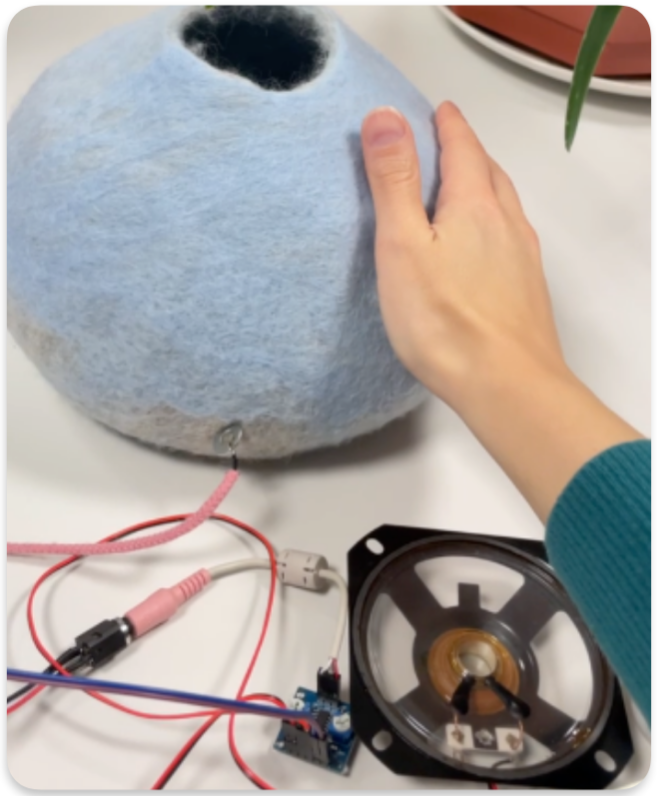
This Is How I Felt: Crafting Conductive Wool Artefacts as an Embodied Practice to Regulate Anxiety
Beyond contributing a new way to make soft, responsive electronic materials, this work suggests that sometimes the most innovative approach to wellbeing technology isn’t building another app – it’s rediscovering the therapeutic power of making things with our hands. This study explores what happens when you combine traditional wool felting with conductive materials – and…
-
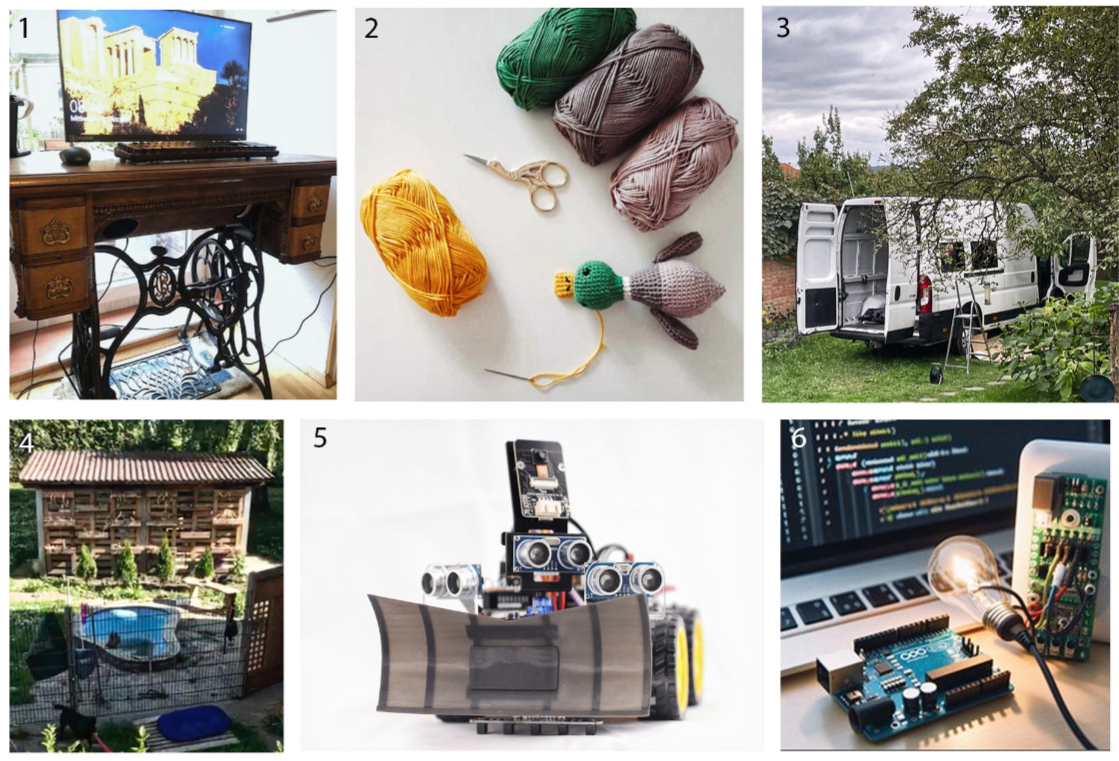
Transforming Ideas into Tangible Artifacts: Discovering Making, Makers, and the Making Experience
Although there is a substantial body of literature exploring Making and Maker communities, a definition of Making and a characterization of Makers are still under consideration. In this study, we conducted 15 semi-structured interviews covering encompassing a diverse range of Making activities, including textile work, robotics, and electronics. We engaged with a broad spectrum of…
-
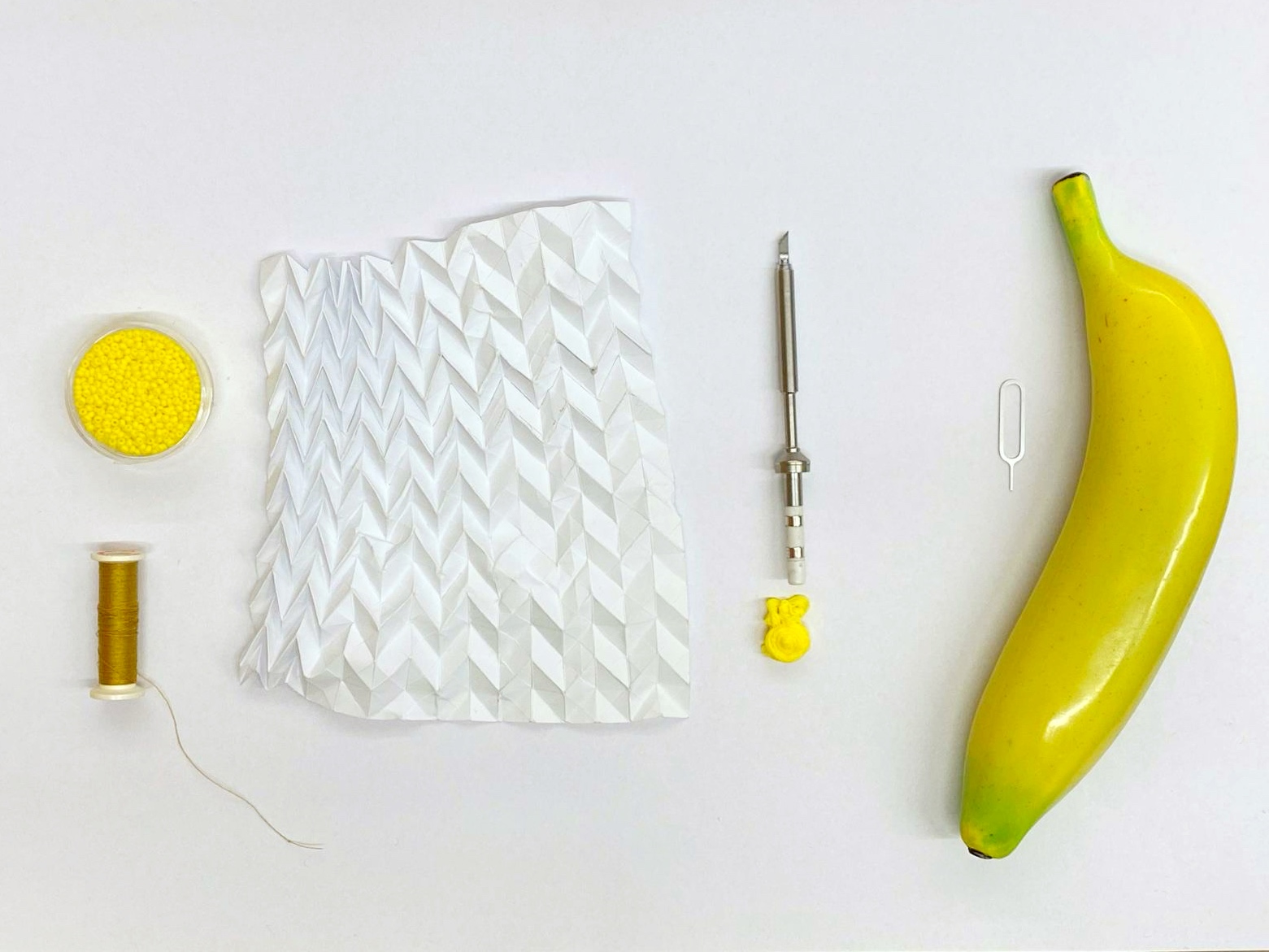
Makers, Crafters, Tinkerers: How Identities and Biographies Come into Being
How does one become a maker? What defines a maker and how does one identify with this role? What processes do makers go through and how are skills developed? This workshop explores biographies and identities, and how these have evolved into becoming makers, crafters, or tinkerers. A further publication addresses the definitions of making, makers,…
-
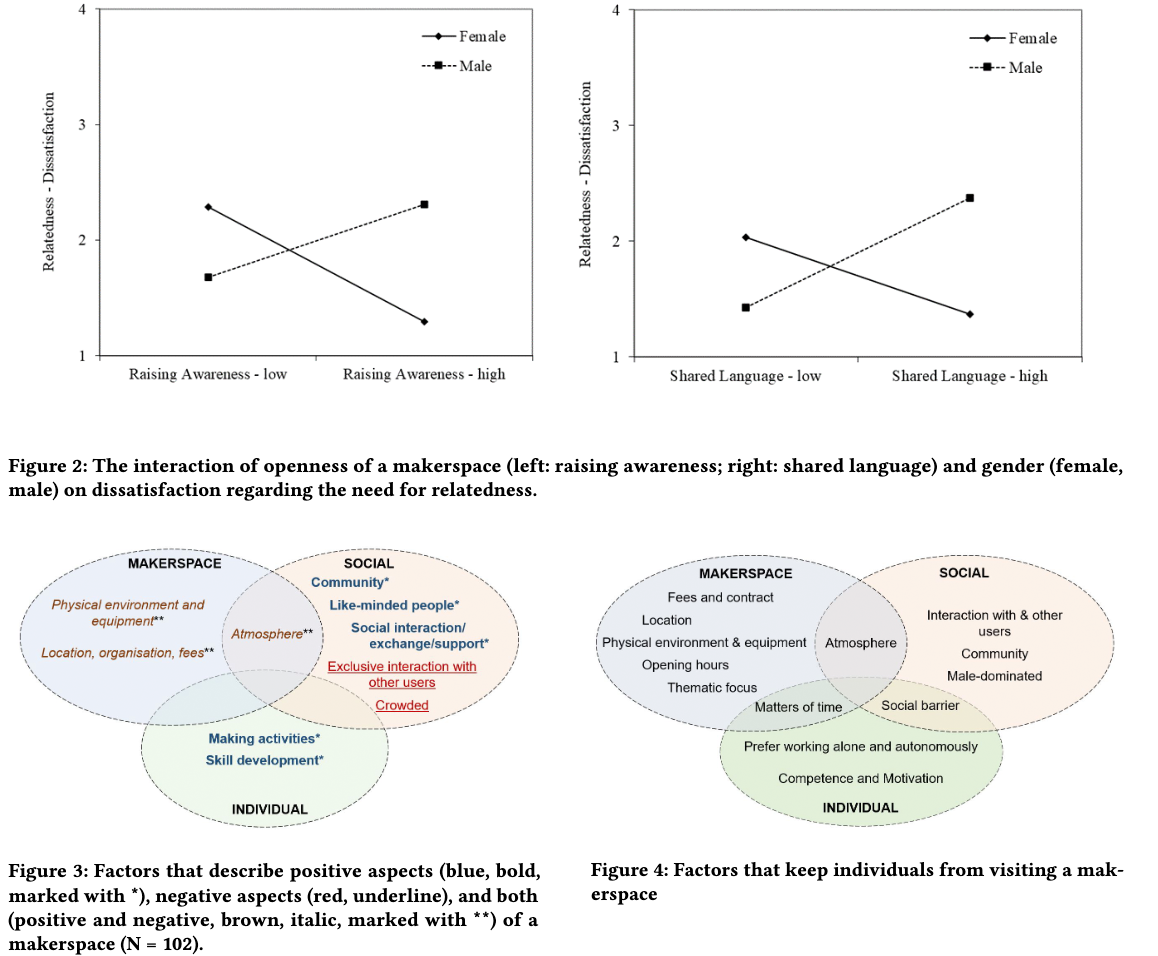
Understanding Missing Diversity in Makerspaces through the Lens of Need Satisfaction and Social Identification
Makerspaces offer individuals the opportunity to bring ideas to life, access specialised tools and machinery, and join a community, thus potentially enhancing psychological needs for competence and relatedness. However, these benefits may not be equally accessible across all genders, as makerspaces are often dominated by young, educated men. To explore this, we conducted an online…
-
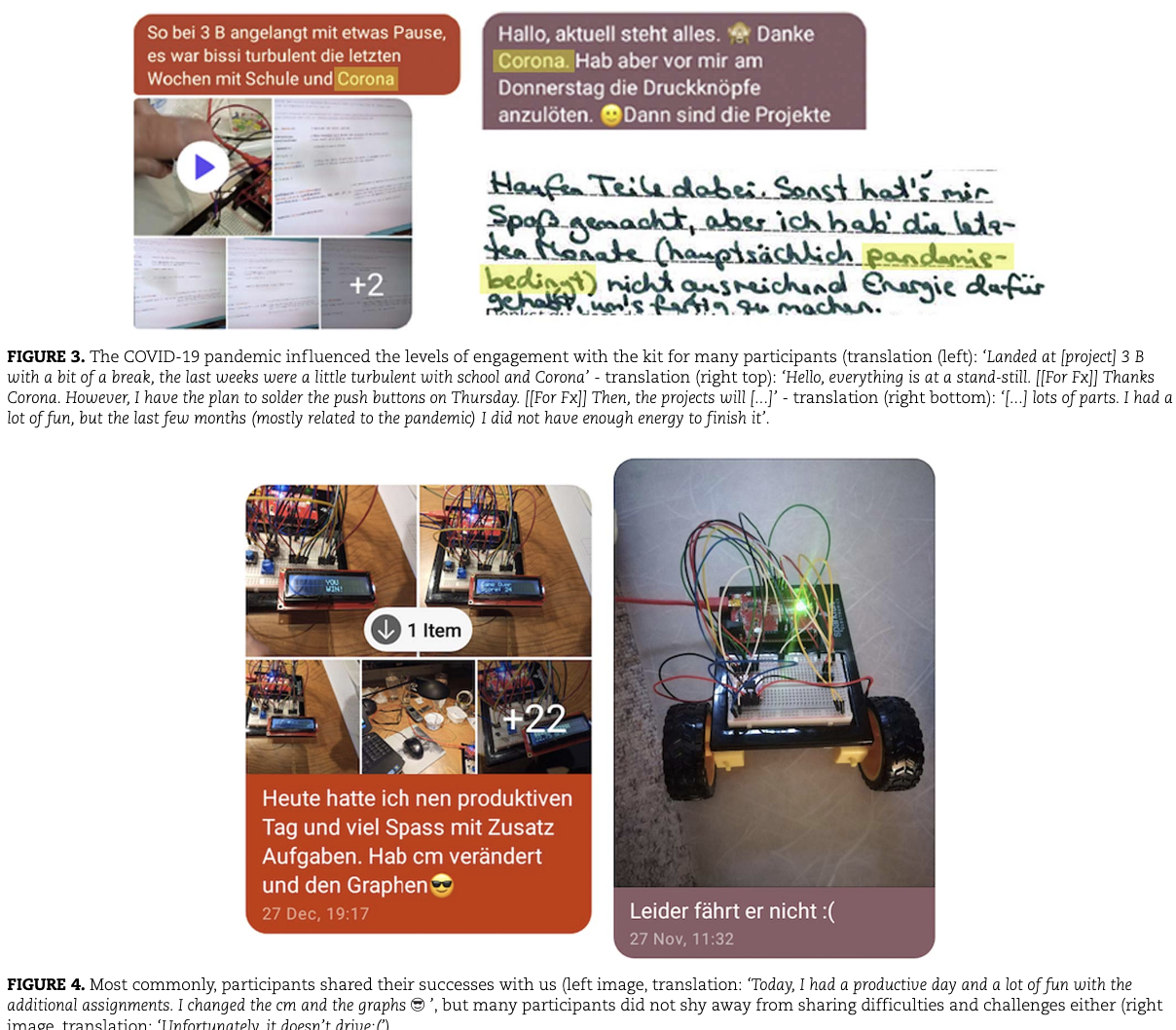
Making It Work—Experiences of Women Who Engage in Technological Making at Home
This paper presents the results of a 5-month diary study into the practices and routines that develop around technological making in the home, particularly focused on the experiences of women, as they continue to be an underrepresented group in the maker community. In this study, we provided participants with an entry-level electronics making kit. Over…
-
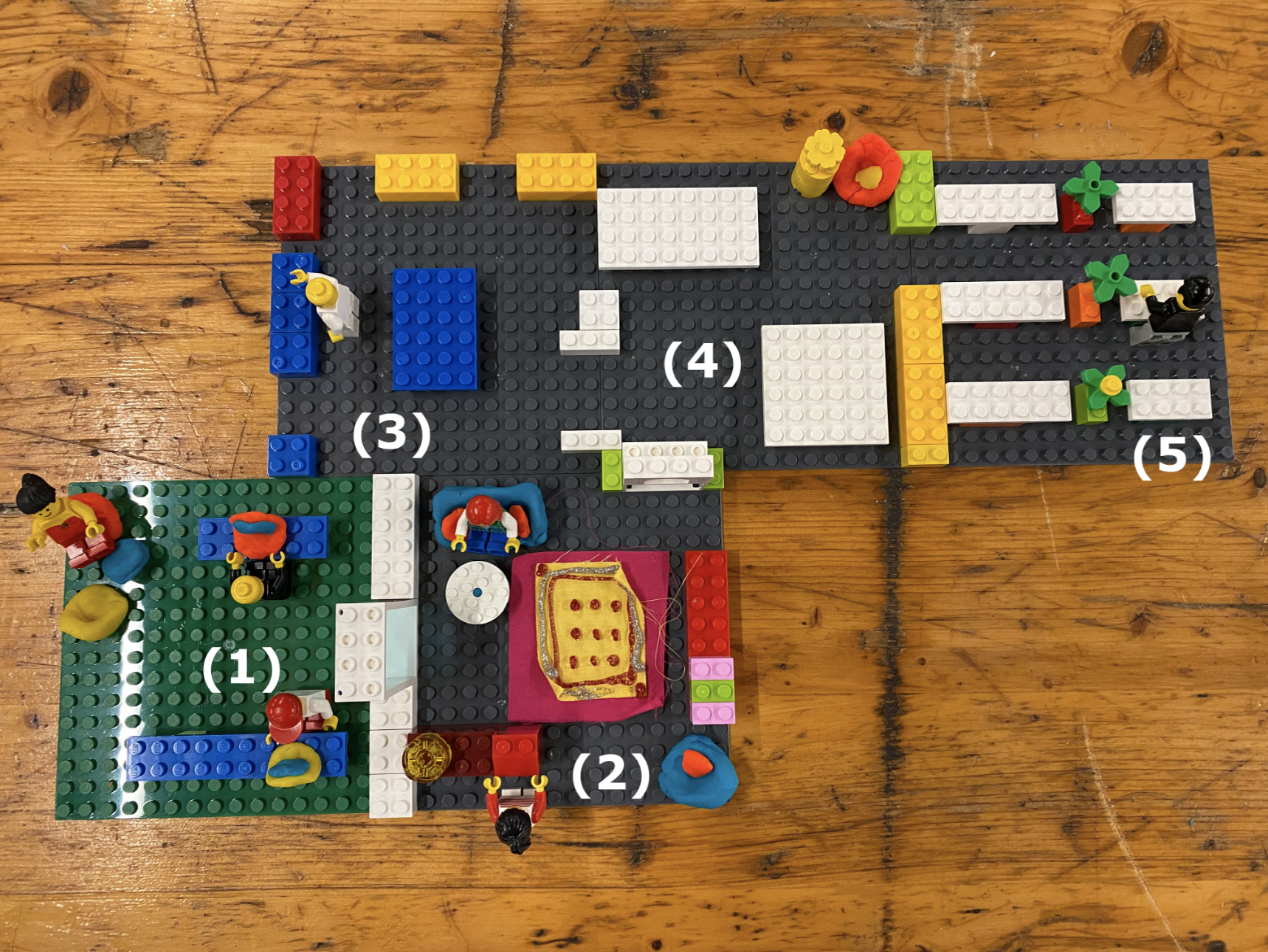
Making Your Makerspace: A Tale of Tension
Makerspaces hold a lot of potential for participation in innovation, democratization of technology, and as a resource for community building – but not all who make, are represented in makerspaces: many makers do not feel at home in these spaces. This paper investigates the wants and needs of people who are engaged with making. It…